How to Find the Best Gelato in Italy
How to Find the Best Gelato in Italy: 4 Simple Things to Look For
Does it seem sorta ridiculous that we are writing an entire blog about finding good gelato? Maybe, but we take our sweet treats seriously here, and we will not stand for mediocre gelato!
There are over 39,000 gelaterias in Italy. Some will serve you the best gelato you've ever tasted, while others are little more than tourist traps selling frozen desserts packed with artificial colors, flavorings, and unnecessary ingredients.
The good news? You don't need to be Italian—or even know a single word of Italian—to tell the difference.
After eating our way through countless gelaterias across Italy, we've found that four simple things consistently separate great gelato from average gelato: where the shop is located, the colors of the gelato, how it's presented, and how many flavors the shop offers.
While none of these rules are perfect on their own, together they make it surprisingly easy to spot an authentic gelateria before you ever take your first bite.
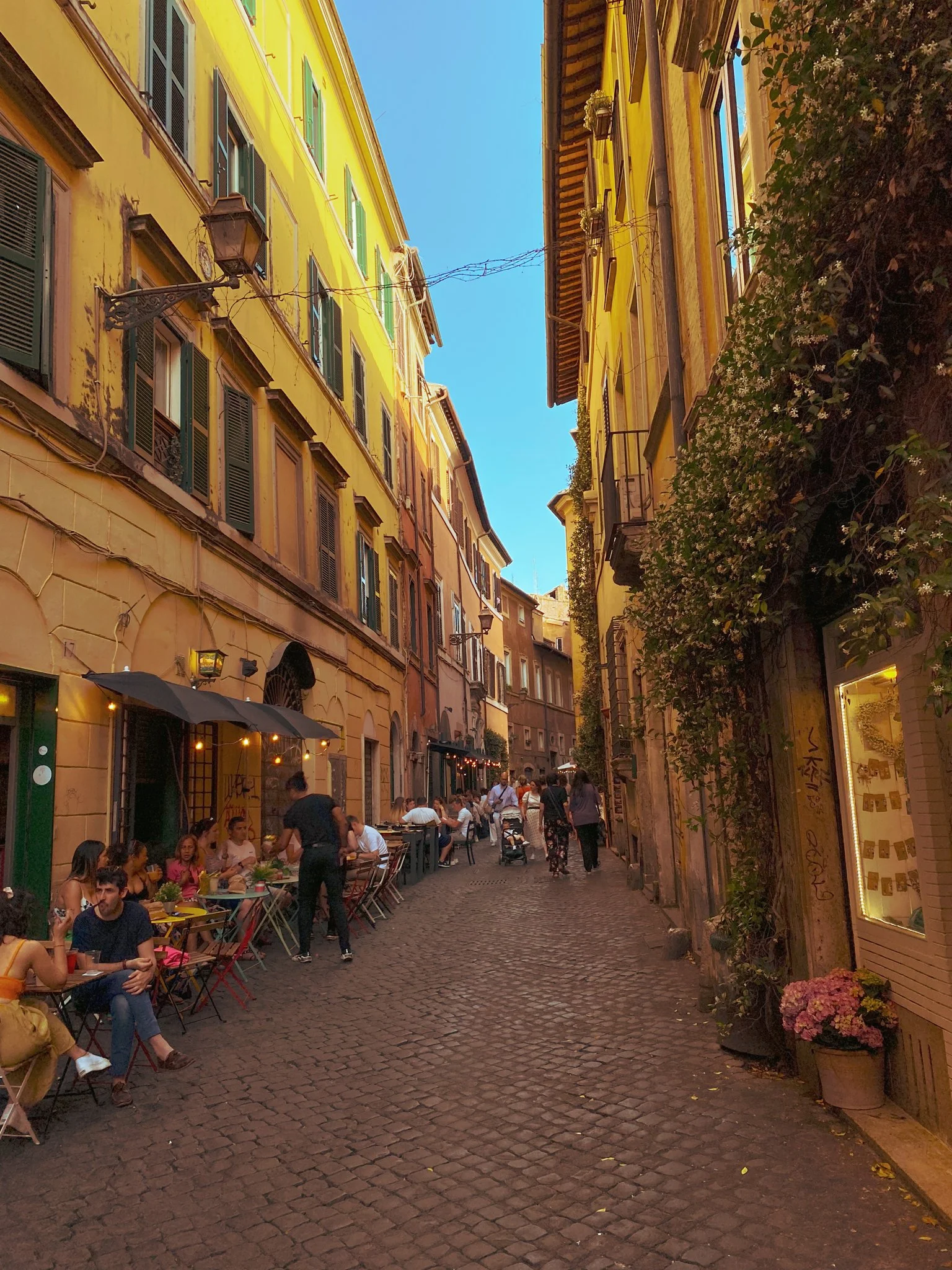
1. Don't Eat Gelato in the Middle of the Tourist Crowds
One of the biggest mistakes travelers make is assuming that the closest gelateria to a famous attraction must be good because it's always busy.
In reality, many of the busiest gelaterias near Italy's most famous landmarks rely almost entirely on tourists who will probably never return. Their goal isn't necessarily to create the best gelato—it's to serve thousands of customers each day.
Instead, walk just five to ten minutes away from the main tourist attractions.
Whether you're visiting the Colosseum in Rome, the Duomo in Florence, or Piazza San Marco in Venice, you'll often find significantly better gelato once you leave the busiest streets. The crowds thin out, prices sometimes drop, and you'll start noticing locals stopping in for their afternoon treat.
That doesn't automatically mean every tourist-area gelateria is bad. Some are genuinely excellent. But if you have the time, taking a short walk away from the crowds dramatically increases your chances of finding something memorable.
A line filled with Italians is almost always a better sign than a line filled exclusively with tourists carrying shopping bags and cameras.

2. Bright Colors Are Usually a Red Flag
One of the easiest ways to judge a gelateria is simply by looking at the colors.
Real ingredients don't usually produce neon colors.
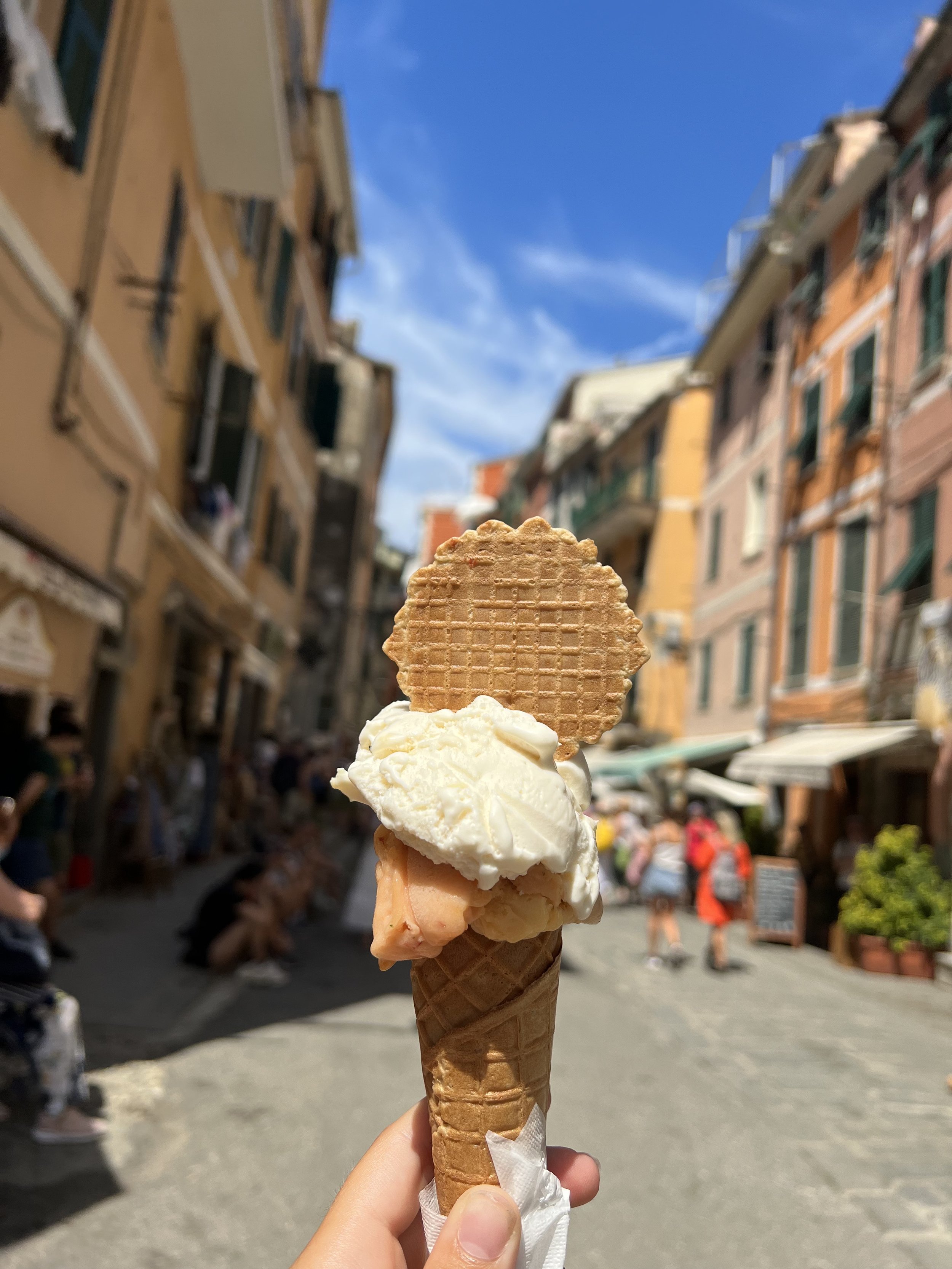
If the pistachio gelato is glowing bright green, the banana is vibrant yellow, or the mint looks like it belongs in a sports drink, there's a good chance artificial coloring has been added.
Authentic pistachio is often a muted green or even slightly brown. Banana is typically an off-white or pale cream color. Lemon should look soft and natural rather than fluorescent.
Many first-time visitors are actually surprised by how "boring" authentic gelato looks.
That's exactly what you want.
Natural ingredients simply don't create the exaggerated colors that many tourist shops use to catch your attention from across the street.
Of course, color alone isn't proof. Some excellent gelaterias use small amounts of natural coloring, and some average shops can still have muted colors.
But if every flavor in the display case looks brighter than a bag of candy, it's usually worth continuing your search.
3. Bigger Isn't Better
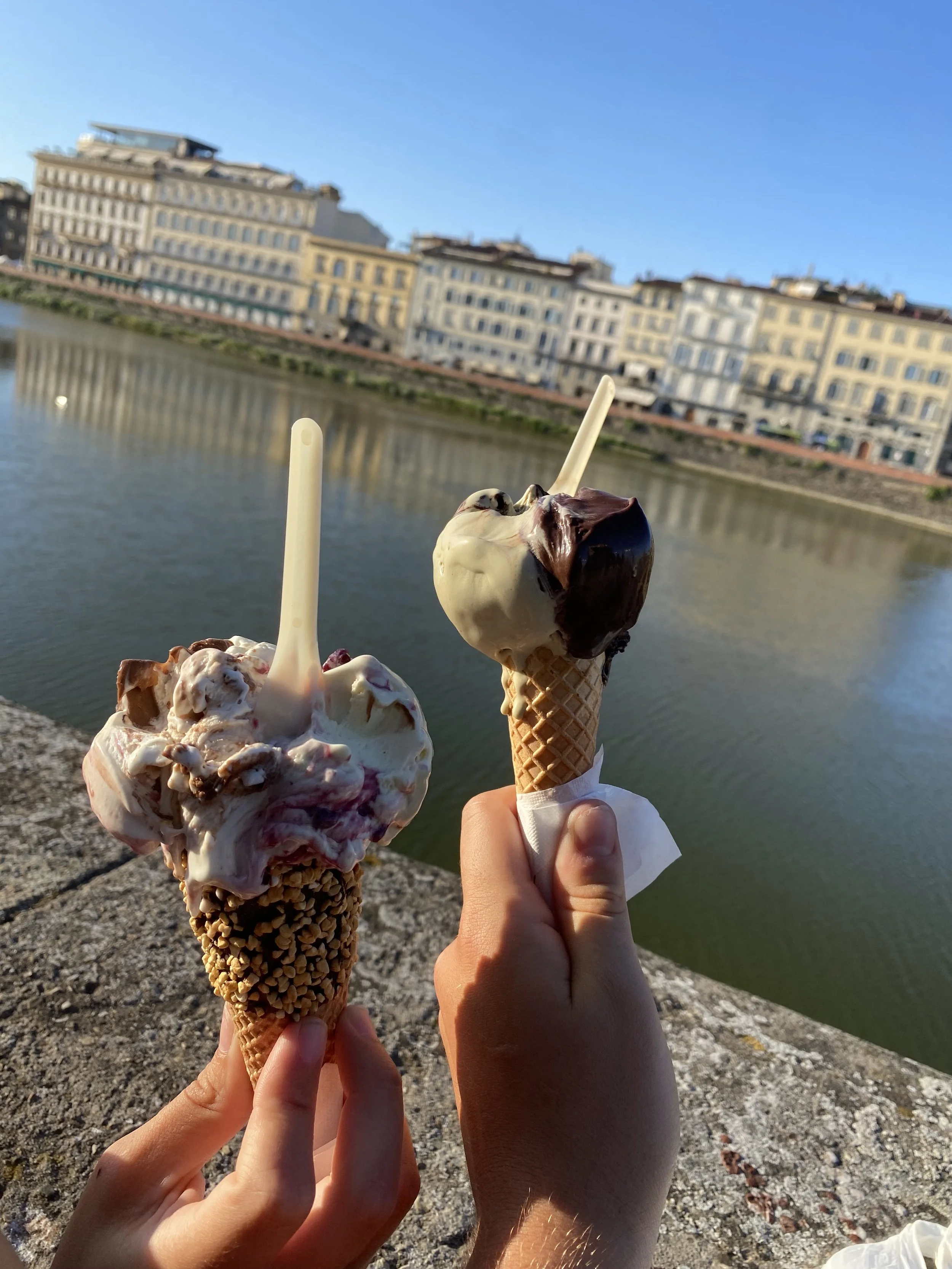
Perhaps the biggest myth surrounding Italian gelato is that the huge mountains of gelato piled high above the containers automatically mean it's bad.
While dramatic displays can sometimes indicate lower-quality gelato that contains stabilizers to help it hold its shape, that's not always the case. Some outstanding gelaterias still serve beautifully sculpted gelato.
Instead of asking whether the gelato is piled high, ask yourself why it looks the way it does.
Does it appear freshly made? Does the texture look creamy and smooth? Or does it look airy, fluffy, and almost too perfect?
Many of the best gelaterias store their gelato inside stainless steel containers with lids, known as pozzetti. Keeping the gelato covered helps protect it from air, sunlight, and temperature changes, allowing the flavor and texture to stay as fresh as possible.
Other excellent shops display their gelato openly in shallow trays, where you can easily see the product.
Both methods can produce exceptional gelato.
What's more important is avoiding displays that seem designed to impress your camera more than your taste buds. If every flavor is stacked into towering peaks several inches above the container, it may be prioritizing appearance over quality.
Great gelato doesn't need to look extravagant. It only needs to taste incredible.

4. A Smaller Menu Usually Means Better Gelato
When you walk into a gelateria offering 80 or 100 flavors, it might seem like you've found paradise.
In reality, it can be a warning sign.
Producing exceptional gelato takes time. Every flavor requires fresh ingredients, careful preparation, and constant attention.
Most artisan gelaterias prefer to perfect a smaller selection rather than stretching themselves across dozens upon dozens of flavors.
A menu of around 20 to 35 carefully crafted flavors often tells you that the shop is focused on quality instead of quantity.
You'll also notice many artisan gelaterias rotate flavors depending on the season.
Fresh strawberries appear in spring. Figs arrive in late summer. Chestnut flavors become common during autumn.
Seasonality is a hallmark of Italian cooking, and great gelato follows the same philosophy.
Instead of trying every flavor imaginable, many of Italy's best gelaterias choose to make fewer flavors exceptionally well.
Ironically, having fewer choices often leads to a much better dessert.

The Best Gelato Isn't Always the Most Famous
Finding incredible gelato in Italy isn't about following viral TikTok videos or waiting in the longest line.
It's about learning to recognize the small details.
Walk a few minutes away from the biggest tourist attractions. Look for natural-looking colors instead of neon displays. Pay attention to how the gelato is presented rather than how dramatic it appears. And don't be afraid of shops with fewer flavors—they're often the ones putting the most care into every batch.
None of these tips guarantees perfection, but together they'll dramatically improve your odds of finding truly memorable gelato.
And when you finally take that first bite of silky pistachio, rich hazelnut, or perfectly balanced stracciatella, you'll understand why authentic Italian gelato has earned its reputation around the world.
Remember that you came to Italy to experience great gelato, so don’t settle for mediocrity on your trip!